
How to Treat a Summer Camp Lice Infestation
Summer camp is supposed to be about campfires, canoes, and new friends — not lice. But bunk beds, shared costume boxes, and hours of close contact during arts and crafts or team games make camp one of the easiest places for head lice to spread. If your child came home with a note from camp — or an itchy scalp — you’re not alone, and it’s very treatable.
Lice have nothing to do with hygiene. They spread through head-to-head contact, which is nearly unavoidable in a camp setting. What matters now is spotting the signs quickly and getting your child into effective lice treatment for kids before it spreads to siblings or bunkmates.
This guide covers what to look for after a week at camp, what actually works to treat it, and when it makes sense to bring in a professional lice removal service.
How to Tell If Your Child Picked Up Lice at Camp
Camp days are long and full of contact — cabin bunk time, shared helmets for archery or biking, costume boxes for skits, pillow forts on rainy days. All of it adds up to more opportunities for lice to travel from one kid’s scalp to another. Here’s what to watch for once your camper is home:
- Constant head scratching, especially around the ears and back of the neck
- A red, irritated scalp from repeated scratching
- Your child mentioning something “tickling” or “crawling” on their head
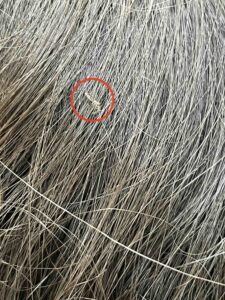
- Visible bugs or tiny eggs clinging to strands of hair close to the scalp
If you spot any of these, a full head check is the next step. Catching it early makes treatment faster and lowers the odds it spreads to the rest of the family.
What Lice and Nits Actually Look Like
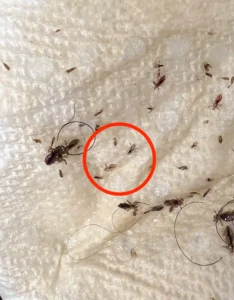
Lice go through three stages — egg, nymph, and adult — so what you’re looking for changes over the first couple of weeks:
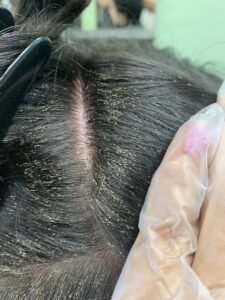
- Nits: tiny, teardrop-shaped eggs cemented to the hair shaft close to the scalp. Unlike dandruff, they don’t brush off easily.
- Nymphs: newly hatched lice, roughly pinhead-sized.
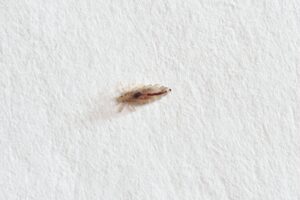
- Adult lice: brown or grayish, about the size of a sesame seed, and fast movers.
What to Do the Day You Find Out
- Check the rest of the household. Lice spread quickly between siblings who share beds or spend time together after a trip home.
- Call a professional lice removal clinic. Most can see your family same-day and clear an entire household in one visit using chemical-free methods.
- Wash recent bedding and stuffed animals from the camp trip. Lice can’t survive long off the scalp, but a quick wash on high heat is an easy way to be thorough.
- Let camp know, if they haven’t already reached out. Camps typically appreciate a heads-up so they can notify other families.
Best Treatment Options After Camp
Professional Lice Removal: A licensed technician can remove both lice and nits in a single visit using specialized combing tools and, in many cases, heated-air devices that dehydrate lice without chemicals. Most clinics also offer a guarantee — helpful if your child is still sharing close quarters with camp friends for a reunion or group photo day.
At-Home Comb-Out: A fine-toothed metal lice comb worked through damp, conditioned hair section by section can work, though it typically takes several passes over a week or two, and it’s easy to miss eggs.
Over-the-Counter Treatments: Medicated shampoos are available at most pharmacies, but growing lice resistance to common ingredients means they don’t always finish the job — and they can leave nits behind that hatch again days later.
For most families dealing with a camp-related outbreak, professional treatment is the fastest way back to normal, especially with only a week or two left before school starts.
Home Remedies Parents Try After Camp
It’s common to hear about tricks other camp parents swear by. Here’s a quick reality check:
- Wet combing: legitimate, but only when repeated diligently every few days
- Tea tree or peppermint oil: may repel lice somewhat, but won’t reliably kill an existing infestation
- Mayonnaise, olive oil, or petroleum jelly overnight treatments: messy and unproven
- Vinegar rinses: can loosen nit glue slightly but won’t kill live lice
- Hot hair dryers at home: not safe to attempt without professional equipment — clinics use controlled heat tools instead
If home methods haven’t worked within a few days, it’s usually faster — and far less stressful — to book a professional appointment.
When It’s Time to Call in a Professional
- Lice are still present after a week of home treatment
- More than one child in the family has lice
- You want a same-day, guaranteed result before school starts
- You’d rather skip at-home chemical treatments altogether
A professional visit can usually clear the whole household in one sitting, so no one starts the school year still dealing with camp lice.
What Happens During a Professional Visit
- Scalp check: a technician examines your child’s scalp to confirm lice and gauge how widespread it is
- Sectioning: hair is divided into small sections for a thorough pass
- Comb-out: each section is carefully combed to remove both lice and nits
- Specialized tools: many clinics use warm-air devices that dehydrate lice without chemicals
- Final inspection: the technician checks the whole scalp once more before your child is cleared
Most kids leave lice-free after a single appointment, which makes it easy to fit in before camp pickup week ends or before the first day of school.
Preventing Lice at Next Year’s Camp
- Pack your child’s own pillowcase and avoid sharing sleeping bags or bunk bedding when possible
- Keep hats, helmets, and costume pieces separate from other campers’ gear
- A braid or bun can reduce hair-to-hair contact during group activities
- Ask counselors about their head-check policy if there’s a known case in a cabin
None of this guarantees your child won’t come home with lice again — camp is simply a high-contact environment — but it does lower the odds.
Frequently Asked Questions
Is it common for kids to get lice at summer camp?
Yes. Bunk beds, shared gear, and close group activities make camp one of the more common places kids pick up lice, right alongside school.
Can my child go back to camp or school with lice?
Most camps and schools allow kids to return once treatment has started. Lice don’t carry disease, so there’s usually no reason to miss extended time away.
How do I know if my other kids caught it too?
Check every family member’s scalp, especially anyone who shared a bed, hat, or close play time with your camper in the days after they got home.