

Lice in the Classroom: What Teachers Should Do
Head lice can cause chaos in a classroom faster than almost anything else. These tiny, wingless insects thrive on close contact — something that’s impossible to avoid during story time, group work, or recess. While lice are most common in children, teachers often end up managing the situation when an outbreak occurs.
Lice aren’t a sign of being unclean or neglectful — they’re simply part of the reality of working closely with kids. Still, finding out that students in your classroom have lice can be stressful. The best thing teachers can do is stay calm, respond quickly, and help families connect with the right lice treatment resources.
This guide walks through what lice look like, how to identify them early, and how to prevent lice from spreading in a school setting. If lice have shown up in your classroom, working with a professional lice treatment center is the fastest and most reliable way to stop them from spreading.
How to Spot Lice in the Classroom
Teachers are often the first to notice the signs of lice — especially during activities that bring kids into close contact. The earlier you recognize them, the easier it is to prevent an outbreak.
Here’s what to look for:
-
Persistent scratching: Lice bites cause itching, especially around the ears, neck, and scalp.
-
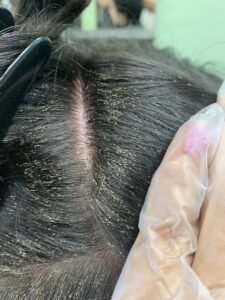
Visible lice or nits: Adult lice are about the size of a sesame seed and move quickly. Their eggs, called nits, are tiny white or yellowish ovals that cling tightly to the hair shaft.
-
Irritated skin: Repeated scratching can cause redness or small sores.
-
Squirming or distraction: Kids may fidget or seem uncomfortable if they feel something crawling on their scalp.
If you notice these signs, quietly send the student to the school nurse for a head check. The sooner lice are identified, the faster they can be treated and contained.
What Lice Look Like
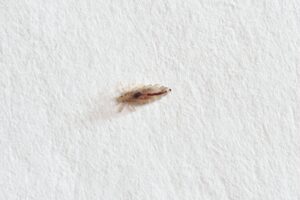
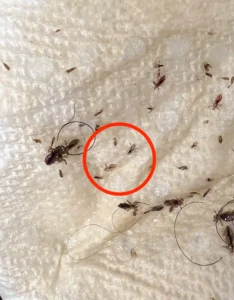
Lice are small but visible insects that go through three main life stages — egg (nit), nymph, and adult. Knowing what each looks like can help you spot them before they spread:
-
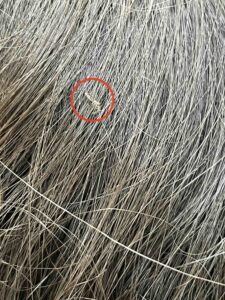
Nits: Tiny white or yellowish ovals attached near the scalp. Unlike dandruff, they don’t flake off when touched.
-
Nymphs: Newly hatched lice that are about the size of a pinhead.
-
Adult lice: Brown or grayish insects about the size of a sesame seed, moving quickly across the scalp or hair.
Recognizing these stages helps ensure families treat lice thoroughly instead of only targeting adults.
Managing a Lice Outbreak at School
When lice appear in your classroom, it’s important to handle things calmly and professionally. Here’s what to do:
-
Notify the school nurse or administrator: They can confirm the case and contact families directly.
-
Encourage treatment right away: Direct families to a professional lice clinic if possible. Clinics use chemical-free tools and techniques to remove lice and nits in a single visit.
-
Clean shared spaces: Vacuum rugs, reading mats, or upholstered areas. Lice can’t live long off the scalp, but it helps to freshen up surfaces.
-
Avoid panic: Lice don’t spread disease and aren’t a sign of poor hygiene. Keeping communication calm and factual prevents unnecessary stress.
Best Treatment Options for Students
When families ask what works best, share these reliable options:
Professional Lice Removal Services:
Professional clinics use specialized tools and non-toxic treatments to remove both lice and nits in one visit. Some even offer guarantees if lice return. This is the most effective way to resolve an outbreak quickly.
Comb-Out Method:
Using a fine-toothed lice comb on damp, conditioned hair is highly effective when done thoroughly. It’s the same technique most professional clinics use — just without the specialized tools.
Over-the-Counter (OTC) Products:
Some families may try medicated shampoos or lotions, but results can vary. These products can leave nits behind or cause irritation and often require multiple applications.
Encourage parents to seek professional treatment whenever possible — it’s faster, safer, and far more effective than home remedies.
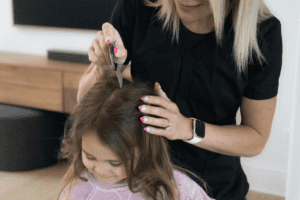
DIY Methods: What Works and What Doesn’t
Teachers often hear about “home tricks” families try before calling a clinic. Here’s what actually helps — and what doesn’t:
Wet Combing: Works well when done consistently with a proper lice comb.
Essential Oils: Little to no evidence that they kill lice, although certain oils like peppermint or tea tree can repel them.
Mayonnaise or Petroleum Jelly: Sticky, messy, and ineffective.
Vinegar: May loosen nits but doesn’t kill lice.
Hair Dryer Heat: Unsafe to attempt at home — professional clinics use controlled heat safely and effectively.
When in doubt, encourage families to skip DIY experiments and go straight to a professional service to save time and frustration.
When to Recommend Professional Help
If lice keep coming back or parents are unsure how to treat them, it’s time to suggest professional care. It’s especially important in these situations:
-
Lice persist after home treatments.
-
Several students in the class have lice.
-
Parents want a guaranteed solution.
-
A family prefers chemical-free treatment.
Professional clinics can clear an entire household in one visit and help prevent the issue from returning.
What Families Can Expect at a Professional Lice Clinic
If you’re referring parents to a lice clinic, here’s what the process typically looks like:
-
Initial assessment: The technician checks the scalp to confirm lice and assess the severity.
-
Preparation: Hair is sectioned and prepped for combing.
-
Detailed comb-out: Every section is thoroughly combed to remove lice and nits.
-
Specialized treatment: Some clinics use warm or cool air devices to dehydrate lice — a fast, chemical-free method.
-
Final check: The technician ensures no lice or nits remain before finishing the appointment.
Most families leave lice-free after one visit.
Preventing Lice in the Classroom
Prevention starts with awareness. Teachers can help reduce the chances of lice spreading by reinforcing a few simple habits:
-
Encourage students to avoid head-to-head contact.
-
Keep coats, hats, and scarves hung separately when possible.
-
Avoid sharing brushes, hats, and headphones.
-
Work with the school nurse to perform occasional group checks.
Lice can’t survive more than 20 minutes off the scalp, so there’s no need to bag or freeze classroom materials — just encourage good hygiene habits and quick reporting.
Frequently Asked Questions
How long does it take to get rid of lice?
Professional treatment usually removes lice in one day. Home treatments may take one to two weeks.
Can students stay in school if they have lice?
Most schools allow students to return after treatment begins. Lice are not a health hazard, so there’s no reason to miss extended class time.
Can teachers get lice too?
Yes, but it’s uncommon since they don’t typically have head-to-head contact with students. If it happens, a professional clinic can treat it quickly and safely.