

Lice Treatment Options for Kids at Daycare
Daycare classrooms are built for close contact — nap mats a few feet apart, shared cubbies, dress-up bins, and teachers holding several kids at once. It’s exactly the kind of environment where head lice move easily from one child to the next, often before anyone notices. If your daycare sent home a notice, or your toddler just won’t stop scratching, here’s what to do next.
Lice at daycare isn’t a reflection of cleanliness at home or at the center. Young kids simply spend hours in close head-to-head contact, and lice don’t need much more than that to spread. The priority now is confirming it, treating it safely for a young child, and helping the rest of your household stay lice-free.
This guide walks through what to look for in a toddler or preschooler, which treatment options are appropriate for young kids, and when a professional visit is the better call.
Signs to Watch For in a Daycare-Age Child
Toddlers and preschoolers can’t always tell you their head itches, so it often shows up as behavior instead of a complaint. Keep an eye out for:
- Frequent scratching or rubbing at the scalp, ears, or back of the neck
- Fussiness at naptime or bedtime, when a still head makes itching more noticeable
- Trouble settling down or unusual irritability with no other clear cause
- Visible eggs or bugs in the hair close to the scalp, especially behind the ears
A calm, well-lit head check — parting small sections of hair with a comb — is the easiest way to confirm what you’re seeing.
What Lice and Nits Look Like on a Young Child
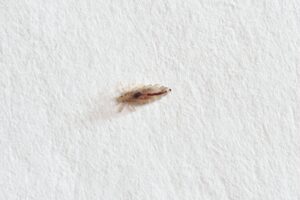
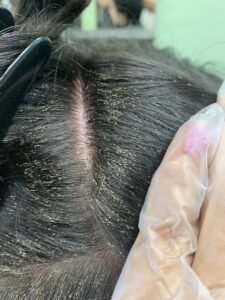
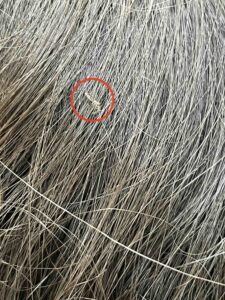
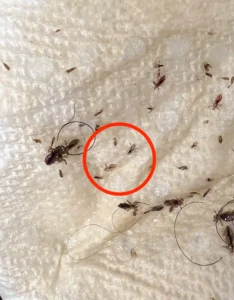
Lice move through three stages: egg, nymph, and adult. On finer toddler hair, nits can be easier to spot than on adult hair:
- Nits: small, oval eggs glued close to the scalp. Unlike dandruff, they stay put when touched.
- Nymphs: newly hatched lice, about the size of a pinhead.
- Adult lice: brownish and roughly sesame-seed sized, quick to move away from light.
What to Do Once You Confirm Lice
- Check siblings and caregivers. Anyone who naps, cuddles, or plays closely with your child is worth checking too.
- Call a professional lice removal clinic. Many clinics are comfortable treating toddlers and can clear a young child gently in one visit.
- Wash recent bedding, hats, and stuffed animals your child brought home. Lice don’t live long once off the scalp, but a hot wash is a simple precaution.
- Notify the daycare so staff can do a general check and let other families know discreetly.
Treatment Options for Young Kids
Professional Lice Removal: For toddlers and preschoolers, many parents prefer a professional visit over at-home chemical products. Technicians are experienced working with squirmy, sensitive young kids and can remove lice and nits gently, often without any harsh ingredients.
At-Home Comb-Out: A fine-toothed lice comb on damp, conditioned hair can work for a toddler, but it takes patience — young kids don’t always sit still for the repeated sessions it usually requires.
Over-the-Counter Products: Many OTC lice treatments carry age restrictions or extra precautions for very young children, so it’s worth checking with your pediatrician or a lice specialist before using one on a toddler.
Because young skin and scalps are more sensitive, and because thoroughness matters most with a child who can’t help hold still, professional treatment is often the simplest and safest route for this age group.
Home Remedies Parents Ask About
It’s common to hear about home tricks from other daycare parents. A quick reality check:
- Wet combing: works, but requires several careful sessions and a lot of patience with a toddler
- Essential oils: may help repel lice somewhat but won’t reliably treat an active infestation
- Mayonnaise or oil treatments: messy, unproven, and hard to keep out of a young child’s eyes
- Hair dryers or heated tools at home: not appropriate to try on a toddler without professional equipment and training
If a few days of home combing hasn’t cleared things up, it’s usually easier on both of you to bring in a professional.
When to Call in a Professional
- Your child is too young to sit still for a thorough home comb-out
- Lice are still present after several days of trying at home
- More than one family member has lice
- You’d rather avoid chemical treatments on a young child altogether
A professional visit can usually clear a young child’s scalp in one sitting, with far less stress than repeated at-home attempts.
What a Professional Visit Looks Like for a Young Child
- Gentle scalp check: a technician confirms lice and works with your child’s comfort level
- Sectioning: hair is divided into small, manageable sections
- Careful comb-out: each section is combed slowly to remove lice and nits without pulling. Some clinics may also perform heat treatment or a cool-air treatment to kill any live bugs.
- Kid-friendly pacing: many clinics build in breaks for younger children
- Final check: the scalp is inspected once more before you leave
Most children leave lice-free after a single visit, which means less disruption to your daycare routine.
Reducing Lice Risk at Daycare
- Encourage your child to avoid head-to-head contact
- A ponytail or braid can reduce contact during naptime and close play
- Ask staff to let you know if another case comes up in your child’s room
None of this fully prevents lice — daycare is simply a close-contact setting — but it can lower how often it happens.
Frequently Asked Questions
Can my child still go to daycare with lice?
Policies vary by center. Many allow kids to return once treatment has started, though some daycares ask for confirmation that nits have been removed as well.
Is lice treatment safe for toddlers?
Many treatments are, but young children need extra care and sometimes age restrictions apply. A pediatrician or lice specialist can advise on what’s appropriate for your child’s age.
Should I tell other daycare parents?
Most centers handle notifications themselves once you let them know, so families can check their own kids without anyone being singled out.