

Finding out your child has head lice can bring a rush of emotions — surprise, frustration, and often a heavy dose of worry (and potential panic) about what comes next. One of the hardest parts isn’t the treatment itself. It’s figuring out how to tell other parents, caregivers, or friends without feeling embarrassed or awkward.
The truth is simple: head lice are common, they’re nobody’s fault, and early communication helps stop the spread. Sharing the information clearly and calmly protects other kids, and takes pressure off you.
Send an Anonymous Lice Notification Using Our Alerts Tool
The Lice Removal Network’s Anonymous Lice Alerts tool lets you discreetly notify schools, camps, teams, or other parents about potential lice exposure—without revealing your identity.
How the Anonymous Lice Alert Tool Works:
When you discover lice, you can use the Lice Removal Network’s Anonymous Lice Alert to privately inform others who may have been exposed.
Here’s how it works:
1. Fill Out the Form:
Go to the Anonymous Lice Alerts page and enter:
-
Recipient’s email addresses
-
Recipient’s phone numbers (optional)
-
The ZIP code of the recipients (this helps us recommend the fastest treatment options)
- A short message describing the lice exposure
2. Stay Anonymous:
Your name and contact information are never shared. The alert is sent from the Lice Removal Network, not you.
3. Send the Alert:
Once submitted, recipients will receive a discreet email with your message and general guidance on what to do next.
Here’s an example of an alert:
Dear Sir or Madam,
You are receiving this message because one of our patients has indicated that you or your family may have recently been exposed to an active case of head lice. While lice are not harmful, they are highly contagious, so it is important to have you and your family screened by a trained professional.
Lice Removal Network specializes in safe, effective, and confidential head lice treatment. If you believe you or a family member may have an active case, please contact us to schedule a screening and consultation. You can reach us at [email protected] or visit our website at https://liceremovalnetwork.org for more information.
Thank you,
Lice Removal Network
How Telling Others Helps Prevent the Spread of Lice
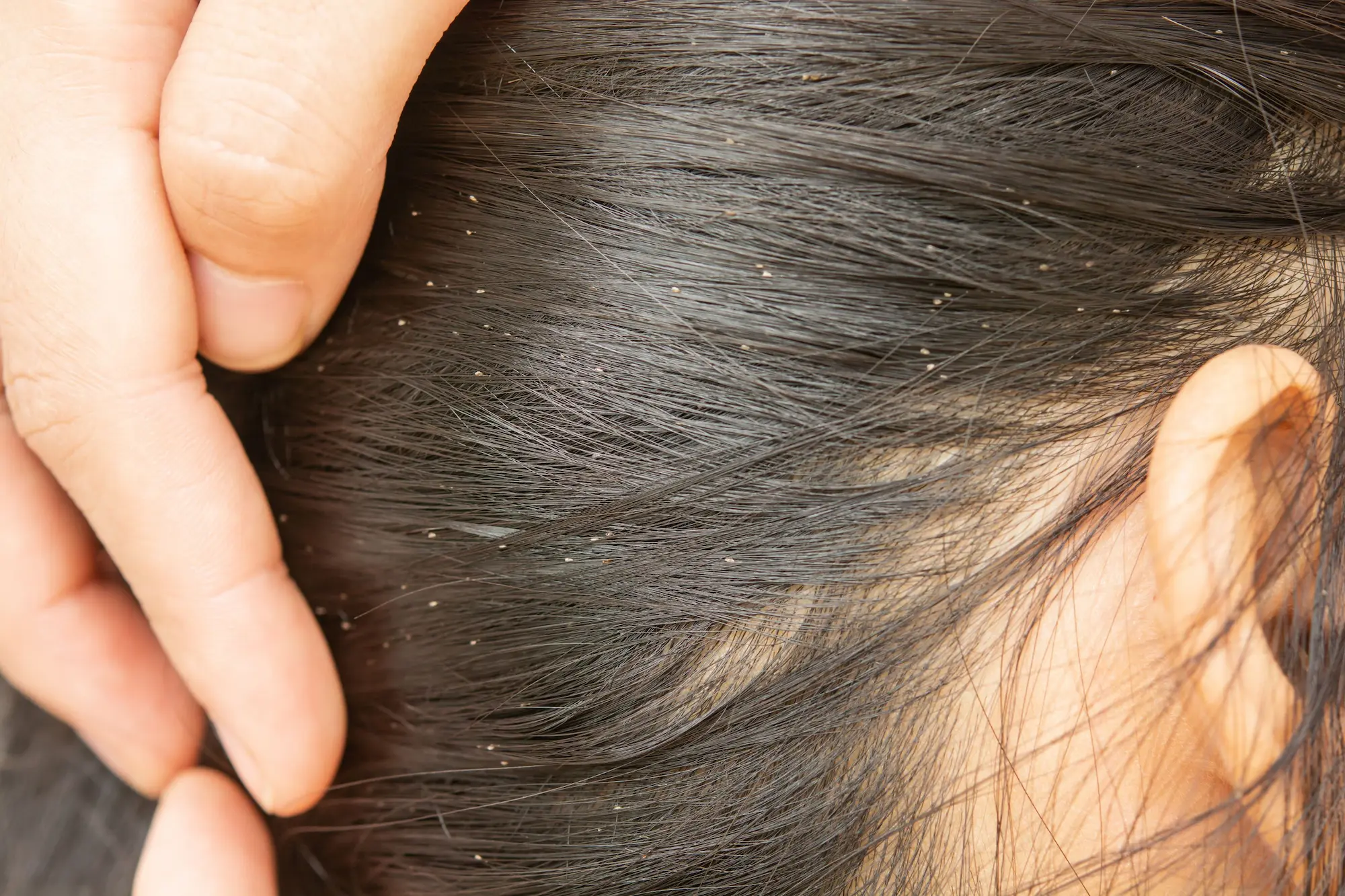
Head lice spread through close head-to-head contact, which means playdates, sleepovers, carpools, and sports practices can all be points of exposure. Letting others know allows them to check their children early and take action if needed.
Early notification:
-
Reduces the chance of lice spreading further
-
Helps families catch infestations before they get worse
-
Normalizes lice as a common childhood issue, not a secret or anything to be ashamed of
Silence doesn’t protect anyone. Communication does.
What to Say When Your Child Has Head Lice
You don’t need to overexplain or apologize. A short, factual message is enough.
Here are a few examples you can adapt:
“Hi! I wanted to let you know that we discovered head lice today and wanted to give you a heads-up in case our kids had close contact recently.”
Or:
“Just a quick note to share that we found lice this week. We’re handling it, but wanted to make sure you had the information so you can check, too.”
Keep the message:
-
Neutral
-
Brief
-
Focused on awareness, not blame
You’re sharing health information, not confessing a mistake.
When You Don’t Want the Conversation Attached to Your Name
Even though lice are common, many parents still worry about stigma or judgment. That’s completely understandable. If the idea of sending individual texts or messages feels overwhelming, there’s an easier option.
Use Our Anonymous Lice Alert Tool
The Lice Removal Network’s Anonymous Lice Alerts tool allows you to notify schools, camps, sports teams, or other parents about possible exposure, without sharing your name or personal information.
This option:
-
Protects your privacy
-
Removes awkward conversations
-
Ensures others get timely, accurate information
-
Helps stop the spread faster
It’s one of the most responsible steps you can take after discovering lice—especially in group settings.
Who You Should Notify After a Lice Diagnosis
Not every contact needs a message, but it’s important to think through recent close interactions.
Consider notifying:
-
Parents of close friends or playmates
-
Schools or daycare centers (following their policies)
-
Coaches, camp leaders, or group activity coordinators
-
Babysitters or caregivers
If your child had head-to-head contact, shared pillows, or participated in close group activities, an alert is appropriate.
How to Keep the Focus on Solutions (Not Stress)
When telling others, it can help to mention that lice are treatable and manageable.
You might add:
-
That you’re already addressing the infestation
-
That professional treatment options are available
-
That early checks make removal easier
Avoid sharing treatment details unless asked. The goal is awareness, not debate.
Why Professional Lice Removal Helps Everyone
Professional lice removal clinics use safe, effective methods that fully remove lice and nits—often in a single visit. For families, this means less stress, fewer repeat checks, and faster resolution.
When lice are handled properly and promptly, notifications become a preventative step—not a crisis response.
You’re Doing the Right Thing
Telling others about head lice isn’t about blame or embarrassment, it’s about community care. Whether you choose to send a quick message or use an anonymous alert, you’re helping protect other families while handling the situation responsibly.
Head lice happen. What matters is how quickly — and thoughtfully — you respond.