

Lice During Pregnancy: Safe, Natural, and Effective Treatment Options
Dealing with head lice is never fun, but if you’re pregnant, it can feel especially stressful. Your body is already navigating countless changes, and you want to make sure any lice treatment is safe for both you and your baby. Many over-the-counter or prescription options contain chemicals that aren’t recommended during pregnancy, but there are natural, non-invasive methods that work, and professional help is always available.
Why Safe Lice Treatments Matter During Pregnancy
Pregnancy changes what your body can safely handle. Certain cravings might not be safe (sorry, sushi). If you’re sick with a cold, you’re limited on what medicine you can take. Lice treatments are no different — many contain chemicals that could pose risks. Consulting your healthcare provider before trying any lice treatment is important. Professional lice removal clinics can also provide safe, chemical-free methods for moms-to-be.
Natural Lice Treatment Options for Pregnant Women
Wet Combing
Wet combing is one of the safest and most effective ways to remove lice. Using a fine-toothed comb on wet hair can remove both lice and nits (eggs). The success of this method depends on diligence, and if you want guaranteed removal, professional help is the fastest route.
Essential Oils
Some essential oils — including tea tree, lavender, and neem — have natural insect-repelling properties. Peppermint oil may also deter lice. Always dilute essential oils with a carrier oil and test a small patch of skin first to avoid irritation. While oils can help deter lice, they won’t remove them entirely.
Professional Lice Removal
Licensed lice removal specialists use safe, non-chemical approaches such as comb-outs, heat treatments, or cold-air methods. These treatments are completely safe during pregnancy and offer the quickest way to fully eliminate an infestation.
When to Seek Professional Help
Even natural methods don’t always solve the problem. Here’s when to call a pro:
-
Persistent Infestations: If lice remain despite your best efforts.
-
Scalp Irritation or Discomfort: If home treatments cause itching or irritation.
-
Need for Guidance: Professionals can provide step-by-step help and peace of mind.
Pro tip: Seeking professional help at the first sign of lice can prevent a minor infestation from becoming a major headache.

Managing Lice During Pregnancy
-
Avoid Scratching: Scratching can lead to irritation or infection. Use natural soothers like aloe vera or coconut oil instead.
-
Consult a Professional: Safe, effective removal is easier with a specialist.
- If You’re Using Products, Get the Right Ones: Can’t get into a lice clinic for treatment? Most lice clinics sell their own products that are safe and effective. Opt for those instead of the stuff you find at your local dollar store.
Lice Prevention Tips for Moms-to-Be
-
Avoid Close Contact with Infected Individuals: Be mindful in schools, daycare, or social gatherings. Lice can’t jump or fly, but they can crawl, and 99% of head lice spread through direct head-to-head contact. Try to limit your head touching anyone else’s (snuggles, selfies, hugs, etc) to avoid the risk of infestation.
-
Keep Hair Tied Back: Ponytails, braids, or buns reduce exposure and make lice harder to reach.
-
Don’t Share Personal Items: Hats, brushes, and scarves can spread lice.
-
Maintain Scalp Health: Avoid over-washing, which can irritate the scalp. Stick to gentle, chemical-free shampoos.
-
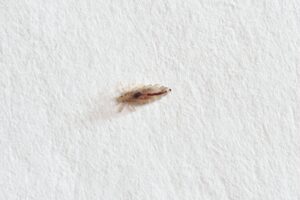
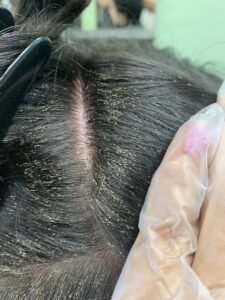
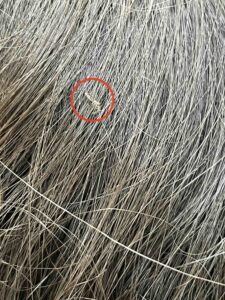
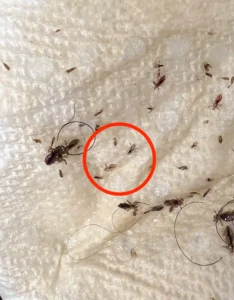
Inspect Hair Regularly: Early detection makes removal faster and easier. Look for nits or adult lice, especially if exposed to someone infested.
Frequently Asked Questions
Can I use lice treatment while pregnant?
Avoid chemical-based treatments during pregnancy. Safe alternatives include wet combing, natural remedies, and professional lice removal services.
What should I do if I’ve been exposed to lice?
Monitor your scalp for itching, nits, or adult lice. Early detection prevents a larger infestation.
How long do head lice live?
Adult lice live about 30 days on the scalp and lay up to 8 eggs per day. Nits hatch in 7–10 days, and new lice mature in about 9–12 days. Off the scalp, lice survive only 1–2 days.