
Can Lice Survive Off the Scalp?
Lice are infamous for their ability to cling to human hair and spread quickly, but there’s good news: lice can’t survive long without a human host. In fact, they typically die within 24-48 hours off the scalp due to lack of food and the ideal warm environment. However, this doesn’t mean lice never end up away from the scalp. There are some surprising places they might briefly linger before they expire. Let’s explore these uncommon lice hiding spots and how to address them without unnecessary panic.
Unlikely But Possible Lice Hiding Spots
Although lice require a human scalp to live and reproduce, they can cling to objects in the environment for brief periods. Here are some spots where lice might be found temporarily:
- Stuffed Animals: Lice don’t infest plush toys, but they may cling to them briefly if they’ve been in contact with an infested person..
- Hairbrushes and Combs: If a hairbrush is used by someone with lice, live bugs or nits could remain on the bristles.
- Hooded Sweatshirts or Scarves: Items that come into direct contact with the hair, like hoods and scarves, can momentarily carry lice.
Managing Lice in Household Items
Despite these potential hiding spots, there’s no need for a deep-cleaning frenzy. Instead, focus on practical, evidence-based measures:
- Stuffed Animals: Toss plush toys in a sealed plastic bag for 48 hours if concerned, though this is largely precautionary.
- Hairbrushes: Soak brushes and combs in hot water (at least 130°F) for 5-10 minutes to remove any lingering lice or nits.
- Clothing Items: If an item has been worn recently, simply run it through a standard wash and dry cycle.
Places You Don’t Need to Worry About
Some misconceptions about lice’s ability to spread can lead to unnecessary stress or action. Here’s what you don’t need to worry about:
- Bedding and Pillows: While it’s good practice to wash bedding after someone has been treated for lice, there’s no evidence to support lice actively moving from bedding to a new host.
- Closets or Drawers: Lice won’t hide in clothes that haven’t been worn or come into contact with hair.
- Entire Homes: Lice don’t infest carpets, floors, or furniture, as they can’t survive long without a human host.
When to Seek Professional Help
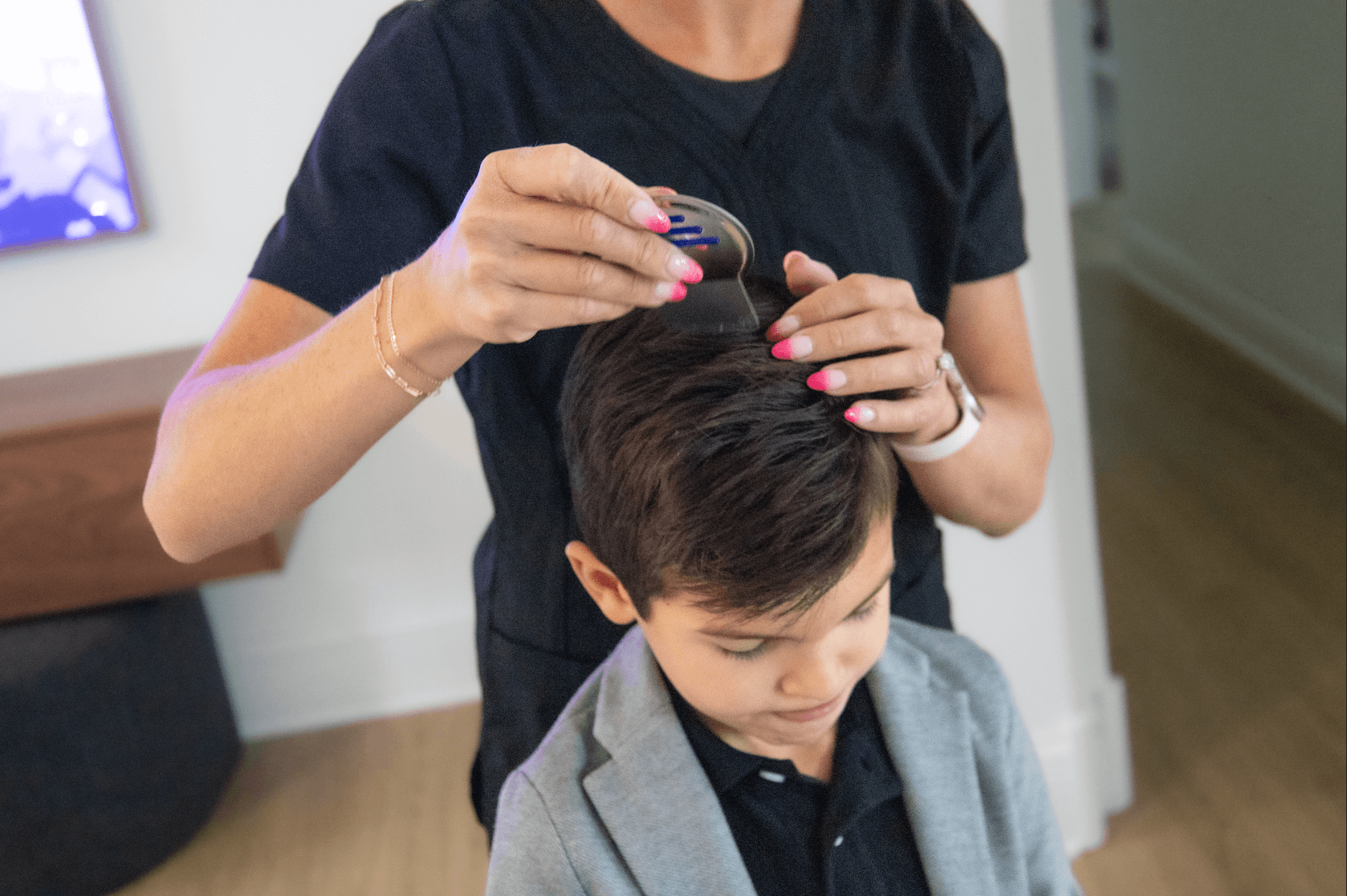
If you’re managing a lice infestation, the best course of action is a professional comb-out treatment. Over-the-counter methods often fail to completely eradicate lice, and prescription treatments may require time to work. During this period, a professional lice removal service ensures thorough and effective treatment while minimizing the risk of transmission.
Lean on the Lice Removal Network to find treatment at a lice clinic in your area.
Frequently Asked Questions
Where are lice most commonly found?
Lice are most commonly found on the human scalp, particularly near the nape of the neck and behind the ears, where the environment is warm and hair provides a safe place to cling. They survive by feeding on blood from the scalp and need close proximity to their host to stay alive.
Can lice live on carpet?
No, lice cannot live on carpet. Without the warmth and nourishment of a human scalp, lice cannot survive for more than 24-48 hours, making carpets an unlikely source of infestation.
How long do lice live off the scalp?
Lice typically survive only 24-48 hours off the scalp under ideal conditions. They cannot reproduce or thrive without the warmth, humidity, and nourishment provided by a human host.